
This week sees the Integrative and Personalised Medicine Congress in London.
This is the third year for this event, where mainstream medicine and complimentary therapies meet for three days of seminars, discussion and interaction. This is ground-breaking, in the sense that conventional medicine has a lot to learn from nutrition, coaching and other practitioners in supporting people with long-term health issues.
Nutritional therapy practice can be quite a solitary occupation, so it makes a refreshing change to catch up with colleagues, explore the latest in functional testing, supplements and also have the opportunity to listen to inspirational speakers.
Nutritional therapy in practice
As a nutritional therapist, I work with people who are often taking a number of prescribed drugs. I prefer to work in co-ordination with a GP or specialist, but the issue is often the doctor doesn’t have the time or care framework in which to work with other professionals. I hope that in the future, conventional medicine practitioners will see that nutrition professionals can bring a level of expertise and support that the NHS has neither the time nor the budget for at the moment.
The more allopathic and complimentary healthcare can find ways of co-operating, the better the outcome is for people who are living with complex conditions. That means having open minds and the willingness to enter dialogue to find common ground and ways forward. This is something that seems largely absent in the wider world at the moment, where undermining those who don’t share an opinion is much more commonplace.
Are diet and lifestyle interventions appropriate for people taking medicines?
As a practitioner, I seek to understand each client who works with me on a 1-2-1 basis as an individual and elucidate their goals, and not impose a set protocol on them. Many people take medication for the reason that it is life-saving or quality of life enhancing, and that is fine with me. I routinely support clients introduce diet and lifestyle changes alongside conventional therapy by checking for any potential interactions between food, drugs, and supplements, and monitoring to ensure that no adverse events occur.
Some people want to avoid having to take medication for the rest of their lives. That’s also fine. If you have blood test results that indicate raised blood sugar, cholesterol and/or triglycerides, taking action now can get those markers back to the zone in which they do not commonly cause problems. Likewise, if the scales show you are a little heavier than you were a couple of years ago, taking action to reverse that now through diet and lifestyle interventions can get you back into your happy place.
The first step
If you’ve been following my social media recently, you will have noticed that I’ve been challenging my tribe to take a long hard look at where sugar might be creeping into your food and drink. I’ve also proposed some simple steps to reduce it. I’m going to distil that into a 45 minute mastercall over on my youtube channel on Friday 28th June. You’re invited to come along. I’ll send out details closer to the time.
What’s in the news?

Semaglutide treatments for weight loss (Ozempic and Wegovy in particular) have figured in the press a lot recently. Whilst being effective in inducing significant weight loss, two major concerns are beginning to emerge:
- On cessation of taking the drug, for the most part, people experience significant weight gain
This suggests that unless you change the underlying eating and lifestyle patterns that are associated with weight gain, the drug is simply masking the problem. To date I have not seen data on whether other issues associated with poor food choices such as blood sugar and cholesterol levels are improved with taking the drug. I would suggest that introduces changes to diet and lifestyle alongside could be valuable alongside taking the drug for a better long term outcome.
- Recent data drawn from analysis of a number of studies suggest that some people experience a reduction in lean muscle mass (as opposed to losing fat) of up to 40% as part of that weight loss [1].
Whilst the proportion of people taking semaglutides who experience this is unclear, the fact that some people have lost nearly half their muscle is a cause for concern.
The importance of muscle
Maintaining muscle mass, especially as we get older, is important for overall health. Lean muscle plays a role in maintaining sensitivity to insulin, desensitization to insulin being a key factor in diabetes and other metabolic conditions. It also contributes to maintaining bone density – the stronger the muscles pulling on bones, the stronger the bones become.
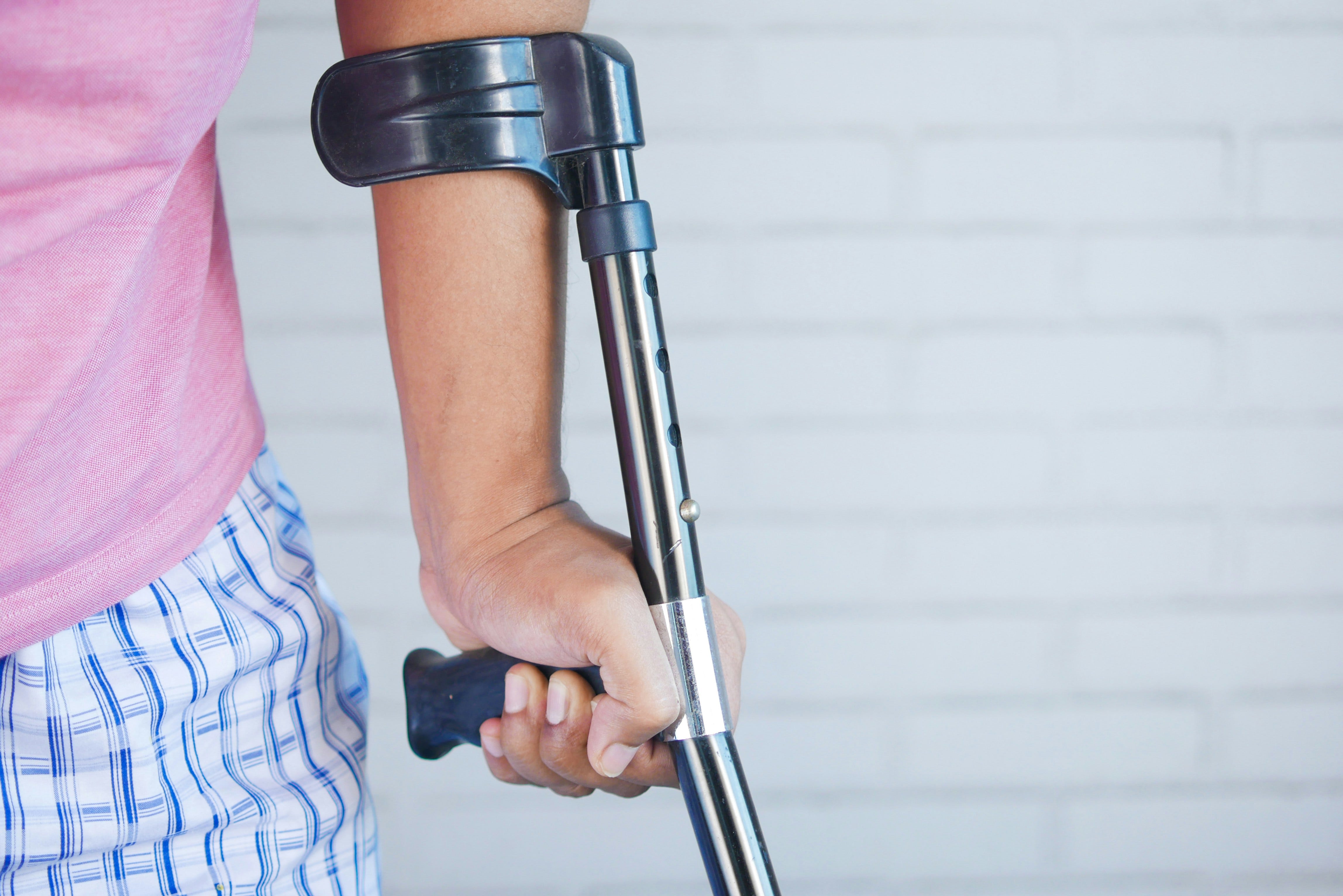
For women in particular, who already face depleted bone mineralisation due to declining levels of oestrogen through peri-menopause and beyond, and additional source of reduction in bone mass could be catastrophic in terms of increasing fracture risk.
My conclusion is that whilst pharmaceuticals can deliver relatively short-term gains, the safest way of inducing lasting change comes back to diet and lifestyle.
Can I help you?
If you would like to find out how I can help support you in making lasting change, book a no-obligation call with me here
Find out more about my services here
[1] Bikou A, Dermiki-Gkana F, Penteris M, Constantinides TK, Kontogiorgis C. A systematic review of the effect of semaglutide on lean mass: insights from clinical trials. Expert Opin Pharmacother. 2024 Apr;25(5):611-619. doi: 10.1080/14656566.2024.2343092. Epub 2024 Apr 18. PMID: 38629387.